
One platform for every regulated product. Start with your industry.
Articles, buying guides and practical DPP implementation checklists.
The Commission published its DPP semantic data model on 30 October 2026. What it means for Battery Passports on Catena-X, AAS, BatteryPass-Ready or proprietary systems.
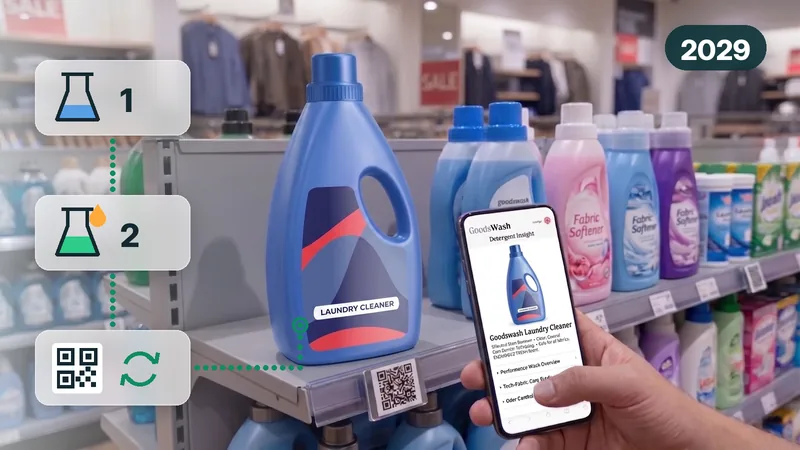
The EU Detergents Regulation ties each digital product passport to a product model. What a formulation change means for the passport, registry and customs.
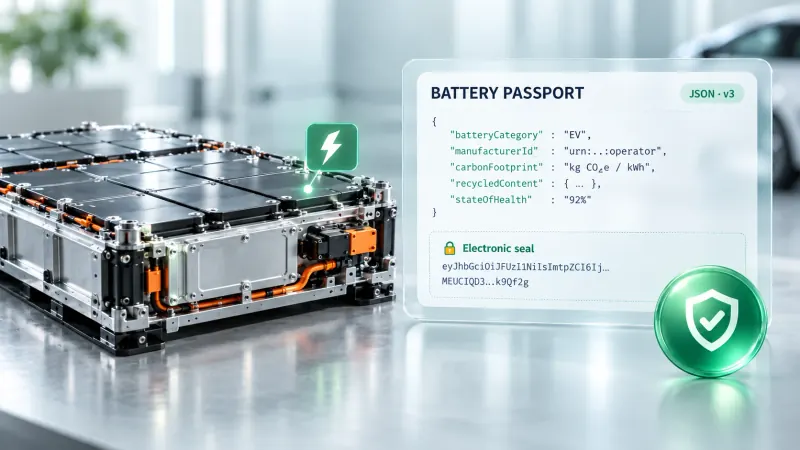
The EU battery passport is mandatory from February 2027. Why it is more than a compliance label: lifecycle data, carbon footprint, sourcing, access rights and second life.
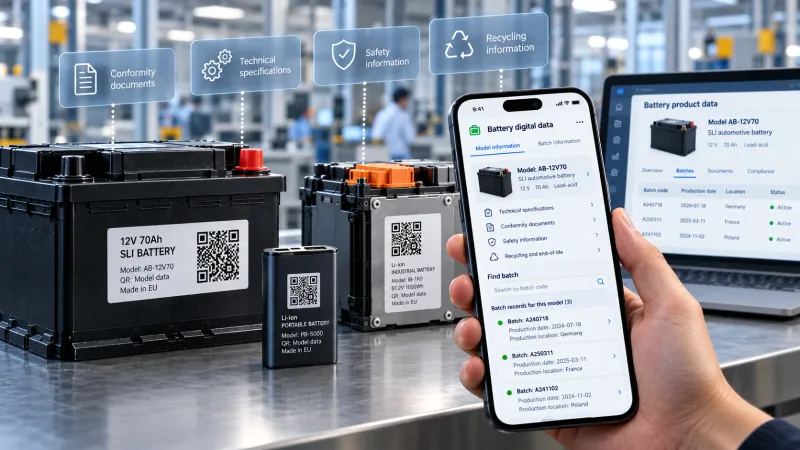
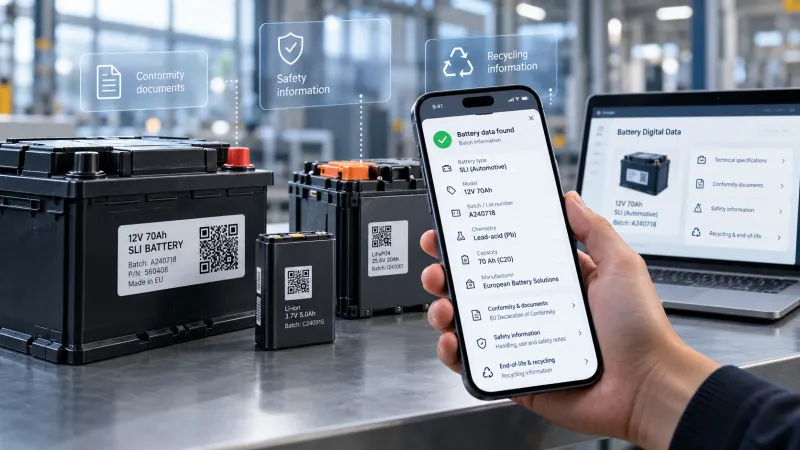
How portable, SLI and small industrial battery makers could keep one QR code per model while still giving buyers access to batch data.
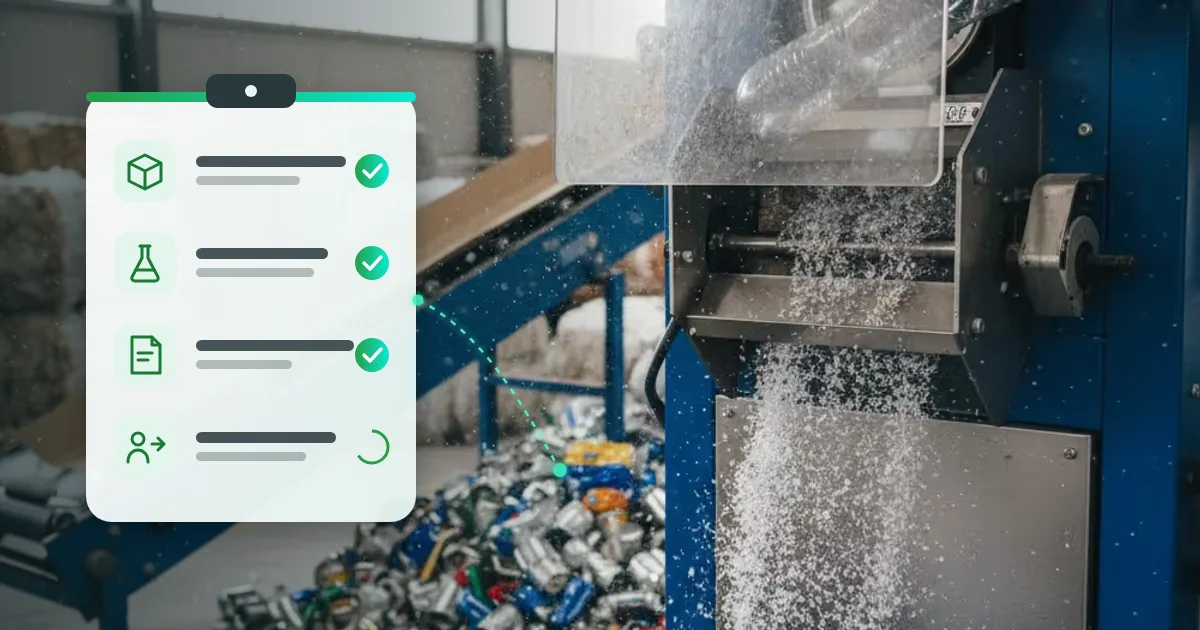
The PPWR has applied since 12 August 2026. Immediate requirements, supplier evidence and documentation to demonstrate packaging compliance.
Do you need a Product Digital Twin if you already have a Digital Product Passport? Where a twin adds value, for batteries too, and when not.
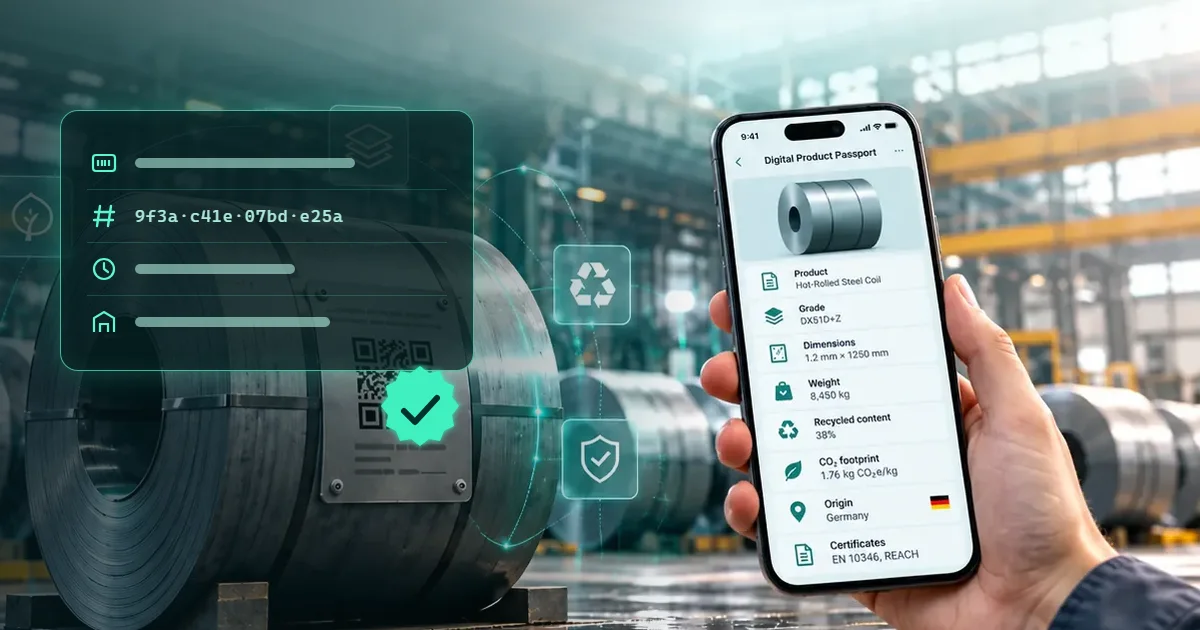
Which industries need an EU Digital Product Passport, and when? Status and deadlines for batteries, toys, detergents, steel and textiles.
How to use the free BatteryPass-Ready test environment to validate battery passport data and test your DPP provider's Lifecycle API, step by step.
The EU Battery Passport applies from 18 February 2027, but access rights, data points and provider rules are still evolving. What is settled.
What must a DPP backup provider do under ESPR and the Battery Regulation? Storage, QR code failover, updates, insolvency, pricing and certification.
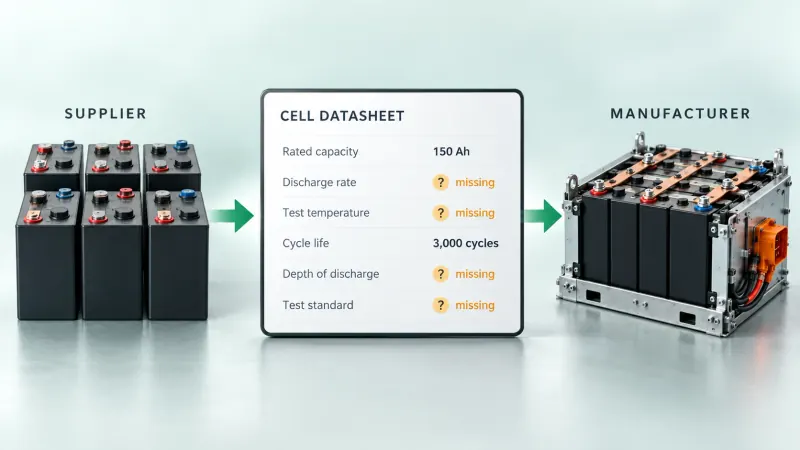
Cell and module suppliers must provide compliance data free of charge (Art. 39). What manufacturers need, and what to do when data is missing.
The EU DPP Registry went live on 20 July 2026: what it stores and checks, what its proof of registration certifies, and what it means for batteries.
Manufacturer, brand owner or importer? Who must create and maintain a Digital Product Passport under the Battery Regulation and ESPR.
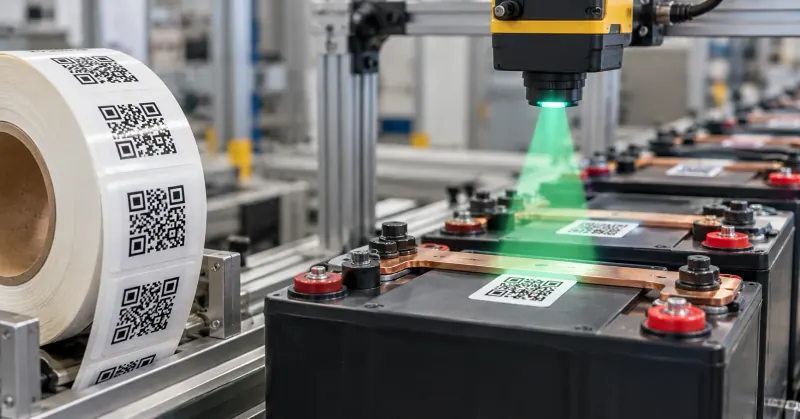
Print DPP QR labels first and link product data later: identifier rules, activation options, and what ESPR and the Battery Regulation require.
SLI, portable and industrial batteries up to 2 kWh need no battery passport, but from 18 February 2027 their QR code must give access to batch data.
Do battery passports need a digital signature? What the EU Battery Regulation, EN 18246 and the DPP registry rules require before 18 February 2027.
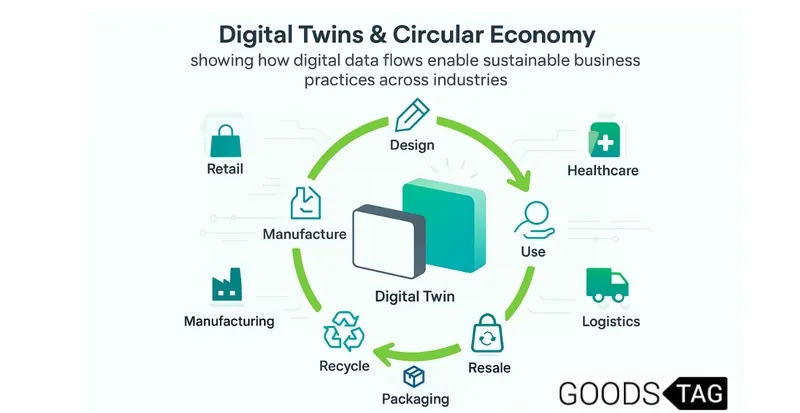
Product transparency, traceability and sustainability are now critical. How digital twins and circular-economy data help brands and manufacturers act.
Smart digital codes are changing the way people interact with products. How can your brand turn smart codes into real, lasting business value?